

10mm float glass
Optiske sammensatte bilder har blitt et viktig verktøy innen en rekke fagfelt, inkludert miljøovervåking, urban planlegging og landbruk. Disse bildene kombinerer informasjon fra forskjellige spektrale bånd, noe som gir en mer omfattende forståelse av jordens overflate og atmosfære. En optisk sammensatt bildebehandling innebærer å bruke flere sensorer for å fange opp lys som reflekteres fra jorden. Dette kan være lys i synlig spektrum, nær-infrarød eller til og med mid-infrarød. Ved å kombinere disse dataene kan forskere og ingeniører skape bilder som gir mer detaljert informasjon enn trapperte fotografier. For eksempel kan vegetasjon lett skille seg ut i nær-infrarøde bølgelengder, noe som ikke vil være like tydelig i vanlige bilder. . Miljøovervåking er et annet felt som drar stor nytte av optiske sammensatte bilder. Forskerne kan overvåke forandringer i naturlandskap, avskoging, og vannkvalitet over tid. Det kan også gi verdifull informasjon om klimaendringer, som isbreens tilbaketrekning eller havnivåstigning. optical composite image level Urbanisering og byplanlegging er også områder hvor slike bilder er avgjørende. De gir detaljert informasjon om landbruk, bygninger, og infrastruktur, noe som kan hjelpe beslutningstakere med å planlegge bærekraftige byer. Gjennom overvåking av befolkningsvekst og arealbruk kan byer tilpasse seg kravene fra innbyggerne på en bedre måte. Det er viktig å nevne at for å maksimere bruken av optiske sammensatte bilder, kreves det avansert bildebehandlingsteknologi. Algoritmer for maskinlæring og kunstig intelligens kan forbedre analysene, og gjøre det lettere å trekke meningsfulle konklusjoner fra store datamengder. Avslutningsvis, optiske sammensatte bilder representerer en kraftig ressurs for mange disipliner. Fra landbruk til miljøvitenskap og byplanlegging, gir de innsikter som er avgjørende for å møte de utfordringene verden står overfor i dag. Med stadig forbedrede teknologier og metoder, kan vi forvente enda mer sofistikerte bruksområder for disse bildene i fremtiden.
about
10mm float glass
The Valve A Crucial Component in Engineering and Technology In the realm of engineering and technology, valves play an essential role in controlling the flow of fluids, gases, and even solids in various applications. Valves are mechanical devices that can regulate, direct, or control the flow of substances within a system, making them fundamental in numerous industries, including oil and gas, water treatment, pharmaceuticals, and automotive engineering. Understanding Valves At its core, a valve operates by opening, closing, or partially obstructing passageways in fluid systems. The primary purpose of any valve is to manage the flow and pressure of fluids or gases, ensuring that processes run smoothly and safely. Valves can be classified into several types based on their design and function, including gate valves, globe valves, ball valves, butterfly valves, and check valves, among others. 1. Gate Valves These valves are often used for on/off control. They operate by lifting a gate out of the path of the fluid, allowing it to flow freely when opened. However, they are not suitable for throttle control as they do not regulate flow efficiently when partially open. 2. Globe Valves Designed to allow for precise flow control, globe valves have a spherical body and a movable disk that regulates flow through the valve . This design makes them ideal for applications requiring frequent flow adjustments. 3. Ball Valves Ball valves feature a spherical disc with a hole through its center. When the hole is aligned with the flow, the valve is open, and when it is perpendicular, the valve is closed. Their quick operation and tight sealing properties make them popular in many applications. 4. Butterfly Valves These valves use a rotating disc to control flow. They are lightweight, quick to open and close, and are advantageous in applications where space is limited. 5. Check Valves Also known as non-return valves, check valves prevent fluid from flowing backward in a system. They are crucial in maintaining the integrity and safety of systems by ensuring fluid flows in the intended direction only. the valve Applications of Valves Valves are ubiquitous in everyday life, functioning in both commonplace and specialized systems. In residential plumbing, valves control the water flow supplying homes. In industrial settings, they regulate processes in chemical manufacturing, refining, and energy production. For instance, in the oil and gas sector, valves manage the flow of crude oil and natural gas through pipelines, ensuring safe and efficient transportation. In the automotive industry, valves control the flow of fuel and air into combustion engines, playing a critical role in performance and efficiency. Additionally, in healthcare, valves are essential in medical devices such as ventilators and intravenous systems, ensuring the safe delivery of medications and maintaining patient safety. Technological Advancements in Valve Design As technology progresses, valve design and functionality continue to evolve. Automation and smart technologies have revolutionized valve operations, allowing for remote monitoring and control. This innovation reduces human error and enhances operational efficiency. Smart valves equipped with sensors can provide real-time data on flow rates, pressure, and temperature, enabling proactive maintenance and optimization of processes. Moreover, advancements in materials science have led to the development of valves that can withstand harsher conditions, such as extreme temperatures or corrosive substances. This durability extends the lifespan of valves and reduces maintenance costs, ultimately benefiting various industries. Conclusion Valves are indeed a critical component across many sectors and industries, playing an integral role in ensuring the smooth and safe operation of systems. Their diverse types and advanced designs cater to a wide range of applications, solidifying their importance in modern engineering and technology. As we continue to innovate and improve valve technology, their significance in our daily lives will only grow, shaping the future of fluid and gas management.
-

High quality industrial productsagement

High quality industrial products
View Details -

Meet the diverse needs of customers

Meet the diverse needs of customers
View Details -

Strict quality control

Strict quality control
View Details -

Top raw materials

Top raw materials
View Details -

Trusted supplier

Trusted supplier
View Details
Our application


news and information
which way turn water valve off
How to Turn Off a Water Valve A Step-by-Step Guide Understanding how to turn off a water valve is an
Wood construction connectors products for strong and durable building structures with reliable suppo
Wood construction connectors play a crucial role in ensuring the stability and safety of wooden stru
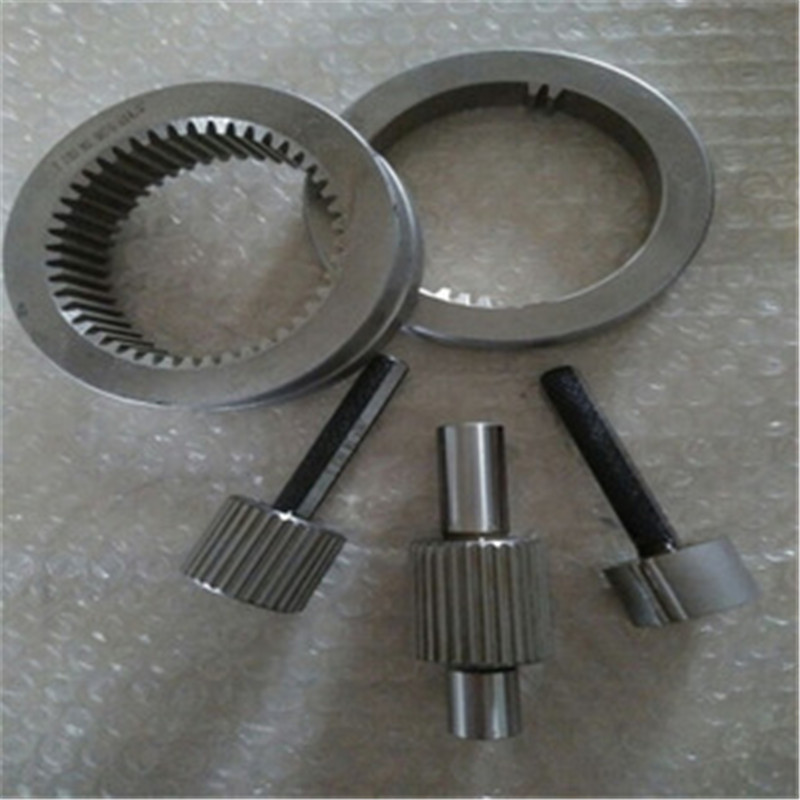
Versatile Clamps for Welding Tables Enhancing Stability and Precision in Metal Fabrication
The Importance of Welding Table Clamps in Metalworking Welding is an essential process in various in
 English